Buying a flagship phone is starting to feel like a luxury purchase nobody asked for. With chip prices spiraling out of control, phone makers are scrambling to keep sticker shock in check. Qualcomm might have found a clever workaround, if new leaks are to be believed.
- The upcoming Snapdragon 2nm chip will reportedly ship in two versions: one with LPDDR5X memory and a Pro variant with faster LPDDR6 memory.
- Both versions share identical core clock speeds, but the Pro adds UFS 5.0 storage support and may cost manufacturers over $300 per unit.
- Built on TSMC's advanced 2nm process, the chip targets 2027 "Ultra" flagships and promises solid gains in performance and battery efficiency.
Why Two Chips Instead of One?

According to early block diagrams shared by tipsters, Qualcomm is testing a standard Snapdragon model with LPDDR5X memory and a higher-end 'Pro' variant that steps up to LPDDR6 memory. The Pro also gets UFS 5.0 storage support, giving it a noticeable edge in data throughput for demanding workloads like on-device AI and high-resolution video capture. Both versions, however, run at the same core clock speeds, so the real differentiator is memory bandwidth and storage speed.
The 2nm Advantage and What It Means for Real-World Use
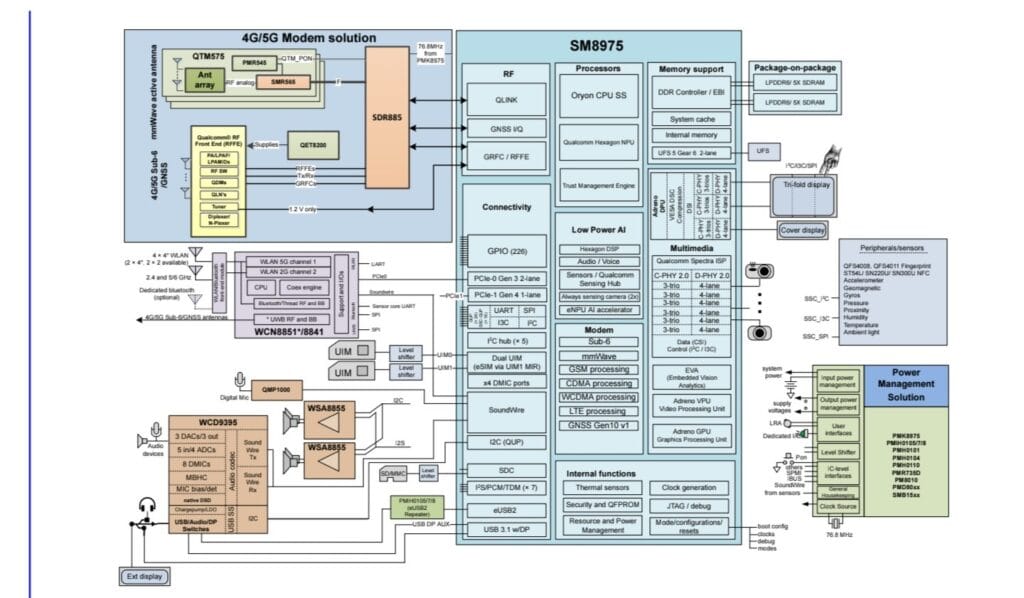
This chipset is expected to be the most powerful 2nm Android SoC yet, manufactured on TSMC's advanced node. The move to 2nm should deliver tangible improvements in both raw performance and power efficiency, something that matters a lot when you're gaming or editing video on the go. Rumored Adreno 850 graphics in the Pro version suggest a strong focus on gaming and GPU-heavy AI tasks.

For most users, the standard LPDDR5X version won't feel like a step down. It's still a 2nm chip with the same CPU cores, meaning flagship-level speed without the premium markup. The Pro is aimed squarely at power users who want the absolute best bandwidth for future-proof AI features and storage performance.
A Pricing Gamble That Favors Buyers
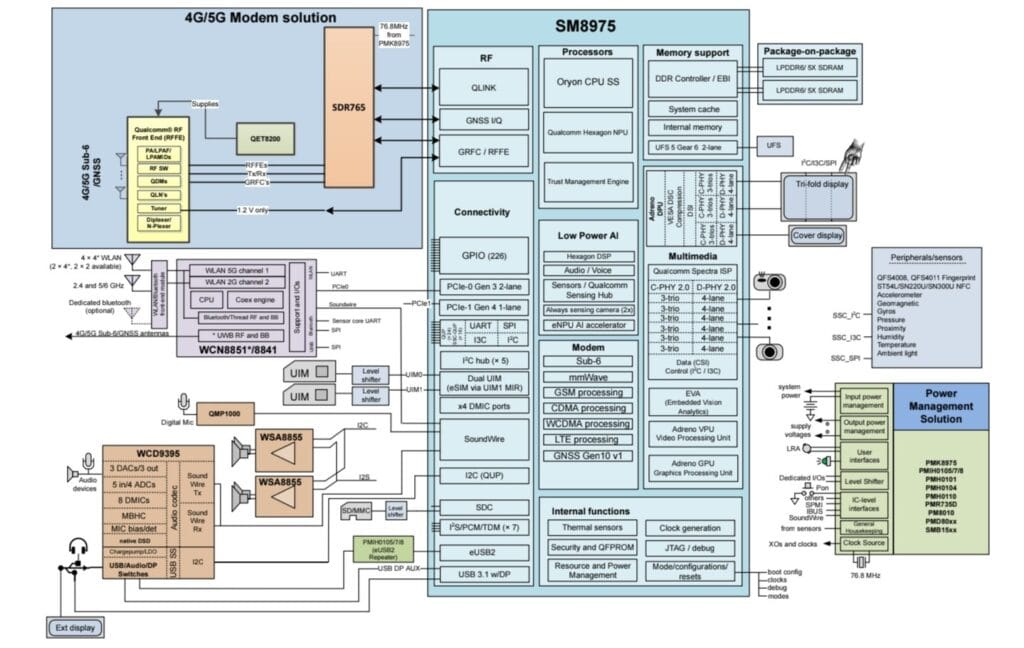
The biggest twist is cost. With the Pro variant potentially exceeding $300 per unit, Qualcomm is giving manufacturers a choice: go all-in for bleeding-edge or pick the slightly toned-down version to keep retail prices grounded. That could mean we see an actual price split in 2027 flagships, with some phones offering near-identical performance at a more palatable price.
We should hear more official details later in 2026, but for now, this dual-version leak signals a welcome shift: flagship silicon that doesn't force every buyer to pay for the highest tier just to get a fast phone.
Via: Gizmochina